
31°C, New York


Notification products, updates
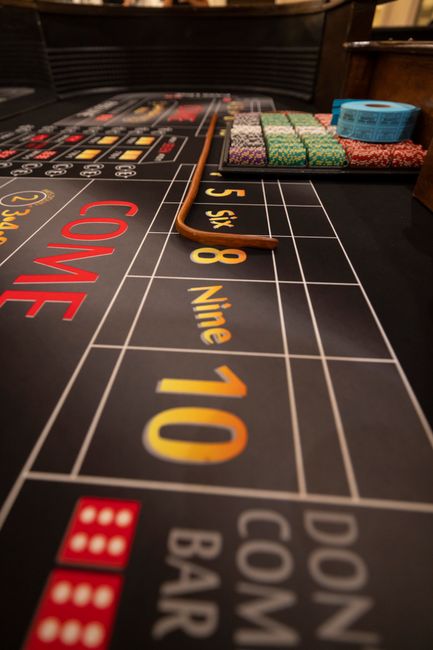
The fluorescent hum of a slot machine, the click of poker chips, the roar of a stadium crowd as a last-second goal goes in—these sensations have been translated into pixels and code. iGaming isn't just a buzzword; it's a global industry worth over $100 billion, and it's evolving faster than most players realize. Whether you're spinning reels at 2 a.m. or grinding a poker tournament on your lunch break, the landscape is shifting under your feet. Let's cut through the hype and look at what's actually happening in online casinos, sports betting, slots, and poker—and how you can navigate it without losing your shirt.
Walk into a physical casino and you can see the cage, the cameras, the pit boss. Online, it's all invisible—but no less regulated. Reputable operators run on Random Number Generators (RNGs) that are audited by third parties like eCOGRA or iTech Labs. These auditors test millions of spins to ensure the payout percentage matches the advertised RTP (Return to Player). For example, a slot with a 96% RTP means that over time, the house keeps 4% of all wagers. That's not a guarantee for a single session, but it's the mathematical edge. A good place to continue is xoilac.
The real difference between a good and a bad online casino isn't the games—it's the licensing and withdrawal speed. A casino licensed in Malta, Gibraltar, or the UK must adhere to strict player protection rules: segregated funds, dispute resolution, and responsible gambling tools. Offshore licenses from Curacao or Anjouan offer less recourse if things go wrong. My rule of thumb: if the site doesn't prominently display its license number and regulator, close the tab.
Sports betting has moved from smoky back rooms to algorithmic trading floors. The odds you see are not random—they're set by risk managers and sharp bettors who move lines like stock prices. In the US, the repeal of PASPA in 2018 opened the floodgates; now over 30 states have legal online sportsbooks. But more access doesn't mean more profit. The house edge on a standard -110 point spread is about 4.5%, meaning you need a 52.4% win rate just to break even.
Successful bettors specialize. They don't bet on everything; they focus on niche markets like player props, Asian handicaps, or live in-game betting where they have an edge. For example, if you follow a specific soccer league closely, you might notice that a team's defensive midfielder is out injured—a detail that public bettors miss but affects the over/under. That's where value lives.
Bankroll management is non-negotiable. A common strategy is the unit system: one unit equals 1-2% of your total bankroll. If you have $1,000, your standard bet is $10-$20. This keeps you in the game during losing streaks. Chasing losses with bigger bets is the fastest way to zero.
Slots are the backbone of iGaming—they generate roughly 70% of casino revenue. Modern video slots are not your grandfather's one-armed bandit. They have megaways (up to 117,649 ways to win), expanding wilds, cascading reels, and bonus buy features. But beneath the flash, it's still math.
One critical concept: hit frequency. A slot might have a 96% RTP but a 20% hit frequency—meaning you win something on 1 in 5 spins, but most wins are less than your bet. High-volatility slots like Money Train 2 can pay 50,000x your stake, but you might spin 500 times without a bonus. Low-volatility slots like Starburst pay small amounts frequently.
Don't fall for the 'due for a win' fallacy. Each spin is independent. The machine doesn't know you've lost 10 times in a row. What you can control is your session budget. Set a loss limit and a time limit before you start. Use the casino's reality check feature if available.
Unlike slots or house-banked games, poker is skill-based. You're not playing against the casino; you're playing against other players, and the casino takes a rake (a small commission). Online poker has three main formats: cash games, tournaments (MTTs), and sit-and-gos (SNGs). Each demands a different strategy.
In cash games, the goal is to exploit weak players. In tournaments, survival matters more than chip EV early on. A common mistake for new online players is playing too many hands. In a 6-max cash game, a solid tight-aggressive player might voluntarily put money in the pot (VPIP) only 22-25% of the time. If you're at 40%, you're bleeding chips.
Also, be aware of botting and collusion. Regulated sites use AI to detect suspicious patterns, but smaller skins can be vulnerable. Stick to major networks like PokerStars, GGPoker, or partypoker for better security.
I've seen too many players treat iGaming like a stock market—chasing losses, believing they're 'due' for a win. The house edge ensures that over infinite play, the casino wins. Your only edge is discipline.
Set deposit limits. Use time-out features. Never play under the influence or when you're emotionally charged. The best gamblers I know treat it as entertainment, not income. They have a separate budget for gambling, and when it's gone, they stop. If you feel you're losing control, organizations like Gamblers Anonymous and BeGambleAware offer free, confidential help.
iGaming is a mature, sophisticated industry that rewards knowledge and punishes impulse. Whether you're betting on a Premier League match, spinning slots, or grinding a poker tournament, the principles are the same: understand the math, manage your bankroll, and never bet more than you can afford to lose. The technology will keep evolving—AI-driven personalized bonuses, live dealer games with VR, crypto-integrated wallets—but the fundamentals of risk and reward remain unchanged. Play smart, stay curious, and treat the house edge with respect. It's always there, lurking behind the flashing lights.

Monarchs Hockey Club shares practical, down-to-earth guidance on field hockey club and community sport for readers across the UK.
Stay Tuned With Updates


Leave A Comment